

History of the EPA
Below we serve up glimpses of EPA's history in five different "flavors":
Oral History Videos
Alumni have recorded videos on a variety of subjects. Most videos are 45 to 60 minutes in length but are broken down into chapters for easier viewing. Transcripts and podcast versions of these videos are also provided. HERE ARE SOME SUGGESTIONS TO PEEK YOUR INTEREST.
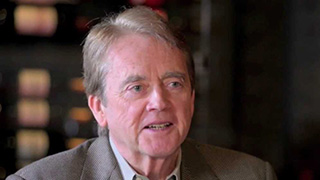
Reflections on US Environmental Policy: Interview with William K. Reilly
Former Administrator Bill Reilly talks about his arrival at EPA, his agenda at EPA, his focus on international issues, his changing view of EPA staff, and challenges that EPA faces. This interview was produced by two alumni, Dan Fiorino and Gordon Binder, under the auspices of the School of Public Affairs at American University.
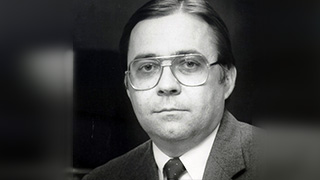
Chapter 2: Chernobyl's Radiation Emergency
(8 minutes) From Interview with Lee Thomas, EPA's 6th AdministratorLee Thomas describes his being put in charge of handling the consequences for the United States of the Chernobyl Radiation Emergency in the Soviet Union.
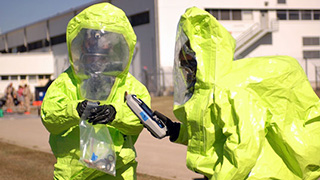
Chapter 4: Crossing the Finish Line
(9 minutes) From The Anthrax Cleanup on Capitol HillSurviving challenges ranging from hidden rooms to sudden containment breaches to emergency, middle-of-the-night forays to Home Depot, the clean-up team delivers and the Senate office buildings reop...
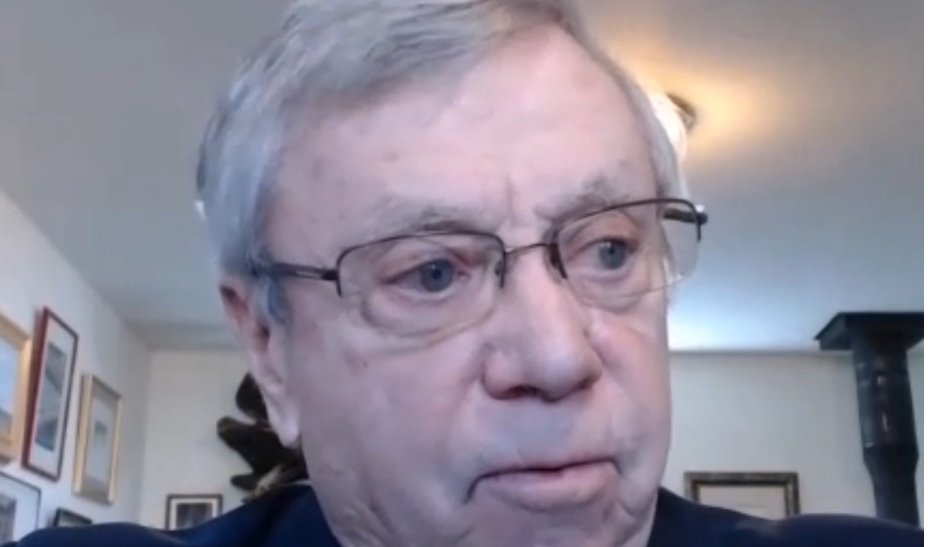
Chapter 3: Commissioner of the Federal Water Pollution Control Administration
(22 minutes) From David Dominick, Commissioner of the Federal Water Pollution Control Administration (1969-1970)David Dominick describes his tenure as head of the Water Pollution Control program in the Department of the Interior, his battles with Assistant Secretary Carl Klein, the efforts of Murray Stein, A...
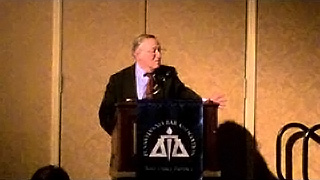
Chapter 5: The Future of Environmental Protection
(14 minutes) From Interview with James (Jim) SeifSeif discusses the future of EPA and environmental regulation, and the steps he would take to address the agency’s most important political and management challenges.
Half Century of Environmental Progress
High school and college students as well as others may not know about the major environmental problems and issues encountered in the United States in the latter half of the 20th century, how they were addressed, and the importance of continued vigilance in attacking remaining and evolving issues. This history of EPA has been written for them."
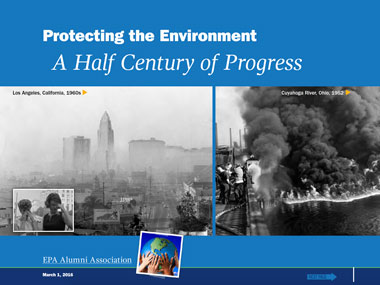
Water Quality: A Half Century of Progress
From Water Quality: A Half Century of ProgressCategories: Water: General
EPA Journals
For many years, EPA published the "EPA Journal" with interesting articles on a very wide variety of topics. The Association is slowly digitizing and categorizing these Journals. To date we have digitized 3034 articles. HERE ARE SOME SUGGESTED ARTICLES FOR YOU TO SAMPLE.

On the Move
From Pollution Prevention: It's a Whole New Way of Doing Business..., Jul. 1993Categories: Management of Agency

The Hidden Cost of Soft Energy by A. David Rossin
From Science and the Future, Oct. 1980
Farming without Chemicals by Dick and Sharon Thompson
From Regulating Pesticides, Jun. 1984Categories: Pesticides

CEQ Urges Energy Conservation
From Energy and the Environment, Apr. 1979Categories: CEQ, Conservation
Books & Articles by Alumni
Some of the most detailed history of EPA is contained in books and articles written by alumni.
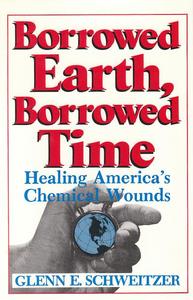
Chapter 9. The Power and Limitations of Science and Technology
From Borrowed Earth, Borrowed Time: Healing America's Chemical Wounds by Glenn E. SchweitzerCategories: Toxics
Chapter 6. The States Begin to Take Charge
From Borrowed Earth, Borrowed Time: Healing America's Chemical Wounds by Glenn E. SchweitzerCategories: Toxics
Chapter 3. The Uncertainty of Risk but the Reality of Cost
From Borrowed Earth, Borrowed Time: Healing America's Chemical Wounds by Glenn E. SchweitzerCategories: Toxics
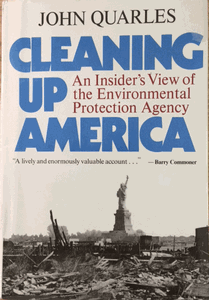
Cleaning up America: An Insider's View of EPA by John Quarles
From Cleaning up America: An Insider's View of EPA by John QuarlesHistorical Documents
Some documents have made a big difference in the direction that EPA has taken through the years. Here we present some of them.
First Presidential Environmental Message (Nixon) 1970
From First Presidential Environmental Message (Nixon) 1970
White House Fact Sheet re Creation of EPA
From White House Fact Sheet re Creation of EPA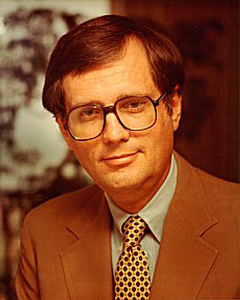
Interview with Alvin Alm in 1993
From Interview of Alvin Alm January 1994Categories: Congress, Economic Impact, Enforcement, Management of Agency, OMB, Other Federal Agencies
Reorganization Plan that Created EPA
From Reorganization Plan that Created EPASearch all history files.
SEARCH BY WORD
SEARCH BY CATEGORY
Headline Media, Bob Bell (Developer), Nicole Lane (Developer), and Chuck Elkins & Barry Gilbert (Members)